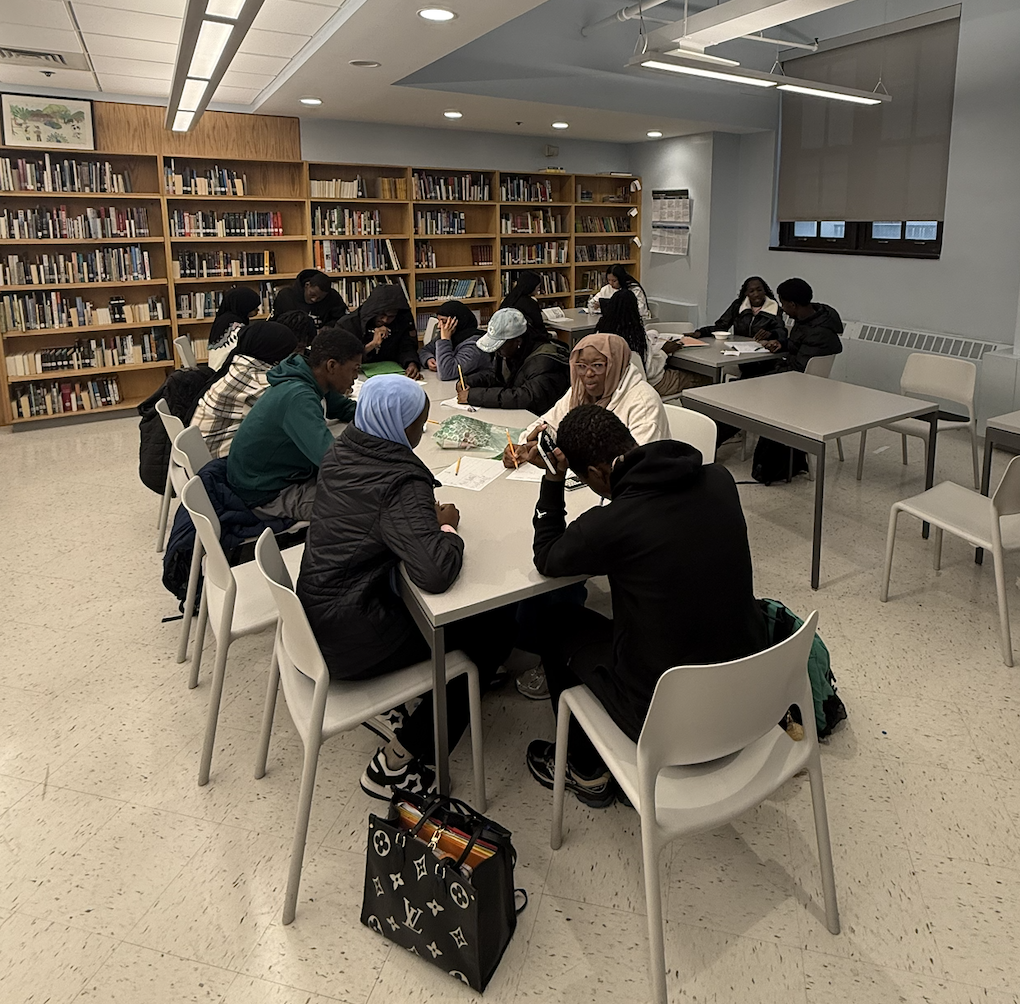

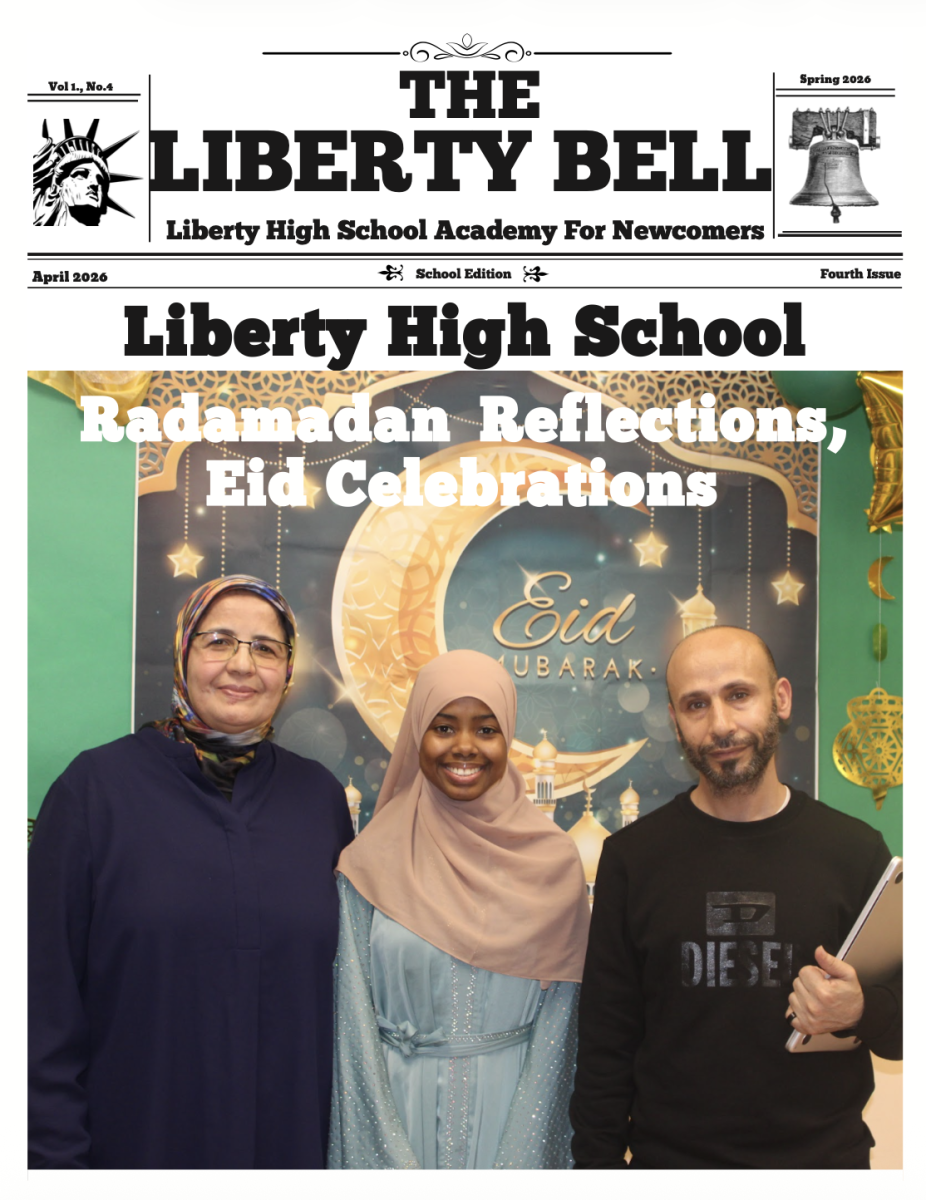
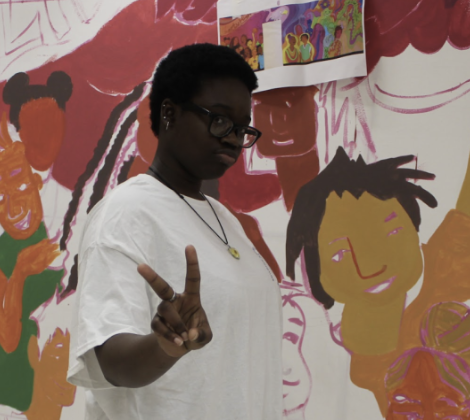




























Ramadan is a sacred month for Muslims around the world. During this time, Muslims fast from sunrise to sunset, pray more, and try to improve themselves spiritually. To better understand how Ramadan affects life at school, I interviewed four people from my school community: a teacher, a counselor, a student, and a cafeteria chef.
Mr. Kassim, a teacher, explained that he practices Ramadan because of his faith. He said, “Yes, I practice Ramadan because I am a Muslim.” He also described the experience of fasting while teaching. According to him, “Fasting and teaching can be very difficult but exciting at the same time.” He explained that fasting helps Muslims build self-endurance and understand the struggles of less fortunate people. As he said, “Muslims fast to challenge themselves in endurance.” Mr. Kassim also believes that practicing Ramadan in school can be beneficial for students because “It’s a great way to show the other students a different faith and a different culture that they are not familiar with.”
Another perspective came from Ms. Edyta, the school counselor. She shared what she knows about Ramadan, even though she does not practice it. She said, “Ramadan is a Muslim holiday that lasts 30 days.” She also explained that “During that time people are fasting from sunrise to sunset.” Ms. Edyta believes that schools should support students who fast during Ramadan. She said that “The school can inform other students about the holiday and ask them to respect people who are fasting.” She also mentioned that “Students need to pray at a certain time,” so teachers should understand if students need a few minutes during the day. Similar to Mr. Kassim’s sentiments, Ms. Edyta also believes that supporting Ramadan in school helps students understand and respect different faith and culture.
A student named Aicha also shared her personal experience with Ramadan. She explained how important this month is for her, saying, “Ramadan means a lot to me.” She added that “It is a month when I feel much closer to God.” During Ramadan she tries to do more good actions, and she said, “Ramadan is a time when I pray more, make duas (blessing), give charity, and help people.” Even though school days can sometimes be harder during Ramadan, she admitted that “I often feel tired and sleepy.” However, she believes fasting is meaningful because “It is worth it because it is for a good reason.” For her, “Ramadan is my favorite month.”
Finally, Dolly, the school cafeteria chef, shared what she notices during Ramadan. She explained that “the Muslim students respect their beliefs and they don’t come to get food because of Ramadan.” She also observed a difference in students’ behavior, saying “their attitude is calm, especially in the cafeteria.”
In conclusion, these interviews show that Ramadan is more than just fasting. It is a time of faith, patience, and self-discipline for many Muslims. It also helps people in the school community learn about different cultures and develop respect and understanding for one another.
For those interested in learning more about Ramadan and sharing their thoughts, there will be an after-school event on March 24th. Everyone is welcome to attend, ask questions, and participate in the discussion.